

In the relentless churn of the digital landscape, creating exceptional content is only half the battle.The other, often more elusive half, is ensuring it reaches the right eyes and ears at the right time.
For many business owners, the Google Business Profile (GBP) posts feature has become a digital bulletin board, a place to announce a holiday closure, share a new product arrival, or promote a one-time sale. While these are valid uses, this approach severely underestimates a tool capable of driving deeper customer engagement, building brand personality, and directly influencing purchasing decisions. To move beyond mere announcements, one must reimagine GBP posts as a dynamic, multi-faceted channel for storytelling, interaction, and community building.
The most significant shift is from broadcasting to conversing. Instead of simply stating you have a new menu, use a post to ask your followers which new dish they are most excited to try. Pose a question related to your industry, like a hardware store asking, “What’s your next weekend project?“ or a salon inquiring, “Thinking of a bold change for summer?“ These engagement posts invite comments, providing valuable customer insights and signaling to Google that your profile is active and fostering interaction, which can positively impact local search visibility. Furthermore, you can use posts to highlight user-generated content. Sharing a customer’s photo (with permission) of them using your product or enjoying your service acts as powerful social proof and makes customers feel valued, encouraging others to share their own experiences.
GBP posts also offer a prime canvas for showcasing your brand’s expertise and values. Consider creating short, informative “how-to” tips or sharing insights that address common customer pain points. A garden center can post a seasonal planting guide, a mechanic can offer a tip on checking tire pressure, and a bakery might share the story behind sourcing their local ingredients. This content positions your business as a knowledgeable and trustworthy authority, not just a vendor. Similarly, posts that highlight your team, your involvement in a community event, or your sustainability efforts build an emotional connection. They transform your business from a faceless entity into a community member with a story, making customers more likely to choose you over a competitor.
Another underutilized strategy is leveraging posts to support specific business goals beyond immediate sales. Use the event post type not just for grand openings, but for weekly trivia nights, monthly workshops, or recurring classes. The “offer” post should be used strategically for more than blanket discounts; create exclusive, time-sensitive offers for your GBP followers to reward their loyalty and track the direct response. The “product” post feature allows you to showcase specific items with details and links, essentially creating a mini-catalog that appears directly in your knowledge panel. This is invaluable for businesses with rotating inventory or service packages.
Crucially, this expanded approach requires consistency and integration. Sporadic, announcement-only posting yields sporadic results. A consistent cadence of varied content keeps your profile fresh and gives customers a reason to check back. Moreover, your GBP posts should not exist in a vacuum. The imagery and messaging should align with your broader social media and website content. Share behind-the-scenes moments that complement your Instagram stories, or use a post to direct traffic to a new blog article on your site. This creates a cohesive digital ecosystem that guides the customer journey from discovery on Google Search or Maps to deeper engagement.
Ultimately, viewing GBP posts as merely an announcement board is a missed opportunity. By transforming them into a platform for conversation, education, and brand storytelling, businesses can cultivate a more loyal following, differentiate themselves in a crowded market, and drive meaningful actions. It is about fostering a relationship before a customer even walks through your door or visits your website, turning your Google Business Profile from a static listing into a vibrant, engaging portal to your brand.
In the relentless churn of the digital landscape, creating exceptional content is only half the battle.The other, often more elusive half, is ensuring it reaches the right eyes and ears at the right time.
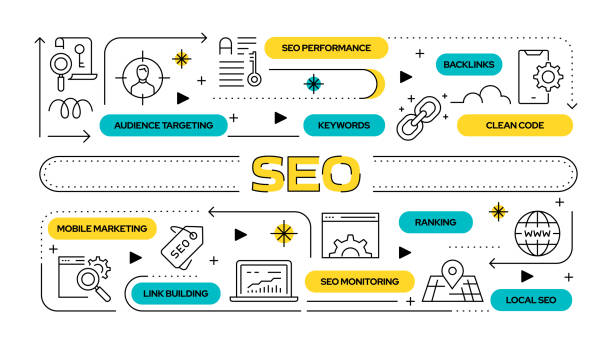
In the competitive arena of search engine optimization, the term “guerrilla” evokes a strategy of achieving significant impact with limited resources, focusing on smart, tactical moves rather than sheer budgetary force.For those seeking such efficient victories, certain on-page elements offer a disproportionate return on investment, acting as the linchpins for search engine understanding and user satisfaction.

The digital landscape is a constant race for visibility, making the speed at which search engines like Google discover and list new content—a process known as indexing—a critical concern for website owners and content creators.A pervasive theory within search engine optimization (SEO) circles suggests that active promotion on social media platforms can act as a catalyst, speeding up this indexing process.
Get answers to your SEO questions.
