Building Authority Without a Budget
The Symbiotic Role of Social Media in Modern Guerrilla SEO Strategy
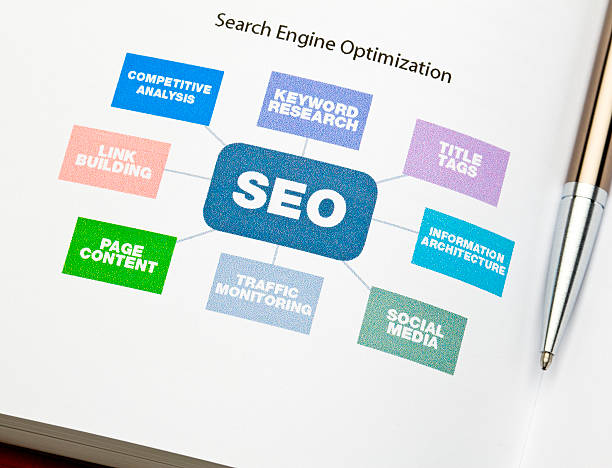
In the ever-evolving landscape of digital marketing, guerrilla SEO stands apart as a philosophy of achieving high-impact search engine visibility through unconventional, resourceful, and often low-cost tactics. While traditional SEO focuses heavily on technical audits and backlink profiles, guerrilla SEO is inherently creative and opportunistic. Within this framework, social media is not merely a parallel channel for engagement but serves as the essential engine for discovery, amplification, and credibility—a dynamic force that breathes life into guerrilla campaigns. Its role is multifaceted, acting as a catalyst for content, a forge for relationships, and a testing ground for viral potential, all of which feed directly into core SEO objectives.
Fundamentally, social media functions as the primary launchpad and distribution network for the content that fuels guerrilla SEO. Guerrilla strategies often rely on creating remarkable, highly shareable content—be it an insightful infographic, a provocative video, or a clever interactive tool—designed to earn attention organically. Social platforms provide the initial audience and the mechanism for this sharing. When content resonates and is widely shared across networks like Twitter, LinkedIn, or Reddit, it generates direct traffic and, more importantly, signals to search engines that the content is valuable and relevant. This social proof can contribute to improved rankings, as search algorithms increasingly factor in engagement and visibility signals beyond their own ecosystem. A piece of content that trends socially can lead to natural coverage from bloggers and journalists, creating the valuable, authoritative backlinks that are the lifeblood of domain authority.
Beyond mere distribution, social media is the contemporary arena for building the relationships that underpin successful link-building and brand mention campaigns, executed with a guerrilla mindset. Rather than employing impersonal email outreach, savvy practitioners use social platforms to genuinely engage with influencers, journalists, and community leaders in their niche. By offering value in conversations, participating in relevant threads, and sharing others’ work meaningfully, a brand can build authentic connections. This cultivated goodwill makes it significantly more likely that these individuals will organically share future content or cite it as a resource, generating those coveted organic links and citations without a formal, transactional request. This human-centric approach to networking is a classic guerrilla tactic, leveraging social platforms as a digital watering hole for community building.
Furthermore, social listening on these platforms is an indispensable reconnaissance tool for the guerrilla SEO strategist. By monitoring conversations, trending hashtags, and community questions, marketers can identify real-time gaps in information, emerging pain points, and unmet audience needs. This intelligence allows for the rapid creation of precisely targeted content that answers those queries, capitalizing on trends before they become saturated. Publishing a definitive guide or a helpful video in response to a rising trend positions a brand as a timely authority, increasing the likelihood of social shares and backlinks from timely roundups and articles. This agility—using social insights to inform content creation—is a hallmark of guerrilla strategy, enabling smaller players to compete with larger entities by being more nimble and audience-attuned.
Ultimately, the role of social media in guerrilla SEO is symbiotic and indispensable. It transforms static content into living, circulating assets and replaces cold outreach with warm, human engagement. For strategies that depend on creativity over budget, and community over pure technical prowess, social platforms provide the stage, the audience, and the feedback loop. They allow guerrilla marketers to punch above their weight, turning viral social moments into sustainable search engine rankings. In this integrated approach, social media does not just support SEO; it actively drives it, proving that in the digital age, visibility is cultivated not just in search engine indexes, but in the vibrant, conversational networks where people discover, share, and trust information every day.