


For the bootstrapped startup, every resource is precious, and every marketing decision must deliver an outsized return.In this high-stakes environment, overlooking local search engine optimization is a perilous mistake.
The journey from novice to expert is a daunting one, often paralyzing aspiring individuals before they even begin. They stare at the distant peak of mastery, convinced they must accumulate years of knowledge and perfect skills before they can legitimately start sharing, building, or leading. This is a critical misconception. The true threshold for beginning is not a destination of complete mastery, but a specific, actionable point of competence. The minimum viable “expert” level needed to start is the point at which you can reliably create value for someone less experienced than yourself, while remaining transparent about the boundaries of your knowledge.
This concept hinges on the relativity of expertise. Expertise is not an absolute state but a position on a spectrum relative to a specific audience. A person who has just learned to bake a decent loaf of sourdough is not an expert to a master baker, but they are absolutely an expert to someone who has never combined flour and water. Their value lies in being one step ahead, able to guide a beginner through the pitfalls they recently navigated—the sticky dough, the failed fermentation, the disappointing crust. Their fresh perspective is often an advantage, as they remember the initial struggles a true master may have long forgotten. Therefore, the minimum bar is defined by a tangible ability to solve a specific problem or impart a usable skill for a defined group, not by the breadth of your accolades.
Crucially, this starting level must be coupled with intellectual honesty. The minimum viable expert is a curator and a translator as much as a creator. At this stage, you may not be generating groundbreaking original theories, but you are synthesizing existing information, filtering out noise, and applying foundational principles to achieve consistent results. You understand the core frameworks well enough to explain them clearly and avoid causing harm through misinformation. In technology, this might mean building a functional application using established tools before inventing a new programming language. In consulting, it might mean helping a small business implement basic financial tracking systems before advising on international mergers. Your expertise is validated by successful, repeatable outcomes within a defined scope.
Furthermore, starting at this minimum viable level is not a compromise; it is the essential engine for accelerated growth. The very act of teaching, consulting, or building for others exposes the gaps in your understanding. Questions from your audience become a personalized curriculum, highlighting what you need to learn next. Practical application under real-world constraints forces a deeper integration of theory. This creates a virtuous cycle: you start because you know enough to be helpful, and the process of being helpful forces you to know more, thereby expanding your zone of genuine expertise. Waiting until you feel like a complete expert is a trap, as that day never truly arrives for the lifelong learner, and you deprive yourself of this powerful feedback loop.
Ultimately, the pursuit of an elusive, perfect expertise is a form of procrastination. The modern landscape rewards action and iteration over static knowledge. By defining the minimum viable expert as someone who can create value for a specific audience with transparency and consistency, we demystify the starting line. You begin not as a final authority, but as a capable guide on a path you are actively walking. This mindset liberates you to contribute sooner, learn faster, and ultimately, build a more authentic and practical form of mastery through the very process of engagement. The foundation of lasting expertise is laid not in silent study, but in the courageous decision to start while your map still has edges, trusting the journey itself to fill them in.

For the bootstrapped startup, every resource is precious, and every marketing decision must deliver an outsized return.In this high-stakes environment, overlooking local search engine optimization is a perilous mistake.
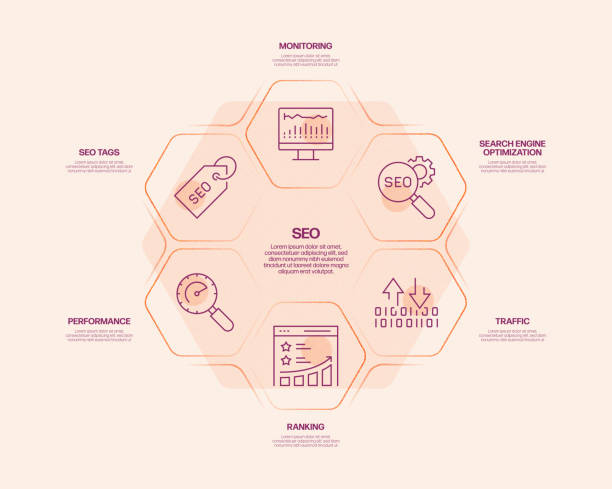
In the ever-escalating arms race of search engine optimization, where many content creators chase the same established strategies, true competitive advantage often lies in the shadows.Beyond the well-trodden paths of keyword research and backlink building exists a suite of underrated guerrilla tactics—unconventional, resourceful, and highly effective methods to propel content visibility.

In the digital landscape, where audiences are inundated with a relentless torrent of information, the battle for attention and authority is won through coherence, not chaos.The “one piece” approach to content creation—crafting interconnected, strategically planned assets around a central theme or narrative—proves decisively more effective than generating scattered, isolated content.
Get answers to your SEO questions.
