

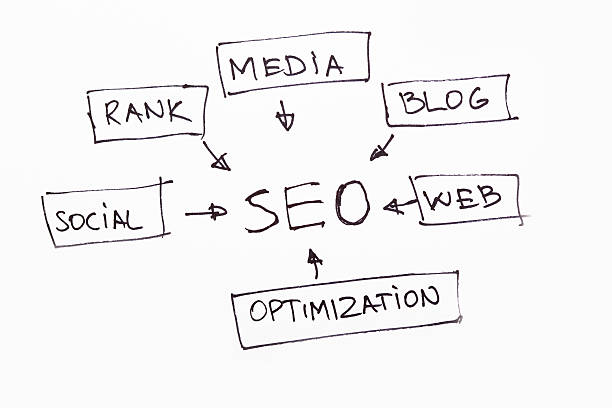
Guerrilla SEO, by its very nature, is a discipline of asymmetrical warfare.It is the practice of achieving significant search visibility without the budget, resources, or brand authority of entrenched competitors.
In the ever-evolving landscape of digital marketing, guest posting remains a cornerstone strategy for building authority, earning backlinks, and driving targeted traffic. Yet, amidst the clamor for placements, a critical principle often gets diluted: the non-negotiable necessity of niche relevance. Pursuing guest posts outside a tightly defined niche is a hollow endeavor, yielding little more than a vanity link that fails to resonate with readers or search engines. Success in this arena is not measured by volume but by strategic alignment, making niche relevance the fundamental pillar upon which all genuine benefits are built.
At its core, guest posting is an exchange of value. The host publication offers its audience and platform, while the contributor offers expertise and insightful content. This exchange collapses when niche relevance is absent. An article about advanced cryptocurrency mining on a lifestyle blog focused on home gardening is a jarring disconnect. The host’s audience, seeking tips on perennial care, will immediately recognize the content as irrelevant, leading to high bounce rates and negative engagement signals. Search engines, increasingly sophisticated in understanding topical authority and user intent, similarly devalue such mismatched links. The algorithmic emphasis on E-E-A-T (Experience, Expertise, Authoritativeness, Trustworthiness) means that a backlink from a site with no topical connection to your own carries minimal weight. It signals not authority, but opportunism.
Conversely, publishing within your niche transforms the guest post from a mere transaction into a meaningful dialogue. It allows a writer to speak directly to an audience already primed for their message. A software company contributing a detailed guide on SaaS metrics to a popular startup blog is engaging with individuals actively seeking that knowledge. This intrinsic relevance ensures that the traffic driven to the contributor’s site is highly qualified. These visitors are not random clicks; they are potential customers, collaborators, or loyal followers who have already demonstrated interest in the field by consuming the host site’s content. The conversion potential of this audience is exponentially higher than that of a generalized readership, directly impacting business outcomes and making the effort invested in the guest post substantively worthwhile.
Furthermore, niche relevance is the engine for building genuine authority and trust—the true currencies of the digital age. Consistently contributing valuable content to respected publications within a specific field positions an individual or brand as a thought leader. Each relevant byline acts as a vote of confidence from an established platform, telling the wider community, “This contributor’s insights are worthy of our audience’s time.” This repeated exposure within a concentrated ecosystem fosters recognition and trust. Readers begin to associate the contributor’s name with reliable information in that domain. This cultivated authority is far more impactful and durable than a scattered collection of links from unrelated high-domain-authority sites. It builds a reputation, not just a backlink profile.
Finally, the practical realities of outreach and relationship-building underscore why niche relevance cannot be compromised. Editors and site owners are guardians of their audience’s experience. A personalized, compelling pitch that demonstrates a deep understanding of their publication’s focus and readership is the only key that unlocks the door. Generic, spray-and-pray outreach emails are almost universally ignored. When a contributor can reference previous articles, align with the site’s core themes, and articulate exactly why their specific expertise will benefit that specific audience, they move from being a solicitor to a valued prospective partner. These niche-focused relationships often lead to recurring contributions, collaborative projects, and a powerful professional network within the industry.
In conclusion, to treat niche relevance as negotiable in guest posting is to misunderstand the strategy’s very purpose. It is not a blunt instrument for link acquisition but a precision tool for audience engagement, authority building, and trust cultivation. The success of a guest post is ultimately defined by the quality of the connection it forges—between the contributor’s expertise and the host’s audience, between the content and the reader’s intent, and between the linked sites within a topical community. By steadfastly prioritizing relevance over mere placement, marketers and writers ensure that every guest post is a strategic step toward lasting digital influence, making niche alignment not just a best practice, but an absolutely non-negotiable rule for success.

Guerrilla SEO, by its very nature, is a discipline of asymmetrical warfare.It is the practice of achieving significant search visibility without the budget, resources, or brand authority of entrenched competitors.
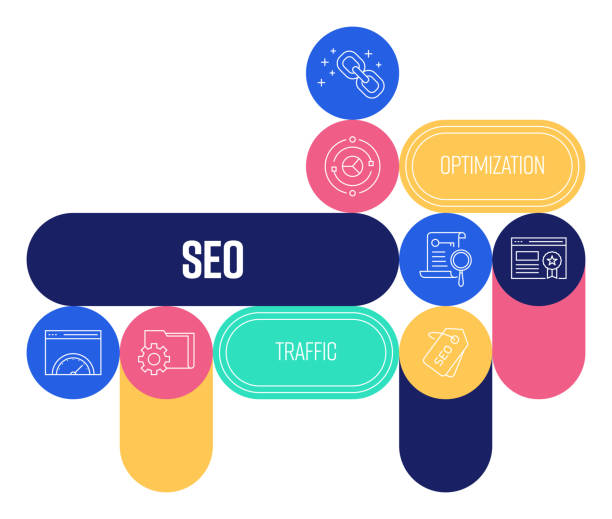
For a startup navigating the digital landscape, the relationship between social media and search engine optimization (SEO) is often misunderstood.While social signals are not a direct ranking factor, the strategic use of social platforms creates a powerful ripple effect that significantly enhances SEO efforts.

In the ever-evolving landscape of search engine optimization, the pursuit of backlinks remains a cornerstone of authority and visibility.However, the question of efficiency at scale has long vexed marketers, as the manual, piecemeal outreach of the past is neither sustainable nor effective for modern enterprises.
Get answers to your SEO questions.
