


The Skyscraper Technique, in its raw form, is a brute-force playbook.You find a piece of content that ranks, you make it longer, prettier, and more linkable, then you outreach until your inbox bleeds.
The digital marketing landscape is a complex ecosystem where various channels and metrics intertwine, leading to a perennial question: does visible engagement on social media posts correlate with improved performance in organic search results? While a direct, causal link is not explicitly confirmed by search engines like Google, a compelling and indirect correlation exists, supported by both empirical observation and the underlying mechanics of how the web operates. Understanding this relationship requires moving beyond simplistic cause-and-effect and examining the multifaceted ways social signals can influence a website’s search authority and visibility.
Firstly, it is critical to dispel a common myth. Google has consistently stated that social signals—such as likes, shares, and comments—are not direct ranking factors in their core algorithm. They do not crawl and index social engagement metrics to directly boost a page’s position. However, this does not render social media irrelevant to SEO. Instead, social engagement acts as a powerful catalyst for outcomes that search engines do measure and value highly. The correlation, therefore, is not direct but mediated through several key behaviors that social activity triggers.
The most significant mediator is the generation of high-quality backlinks. When content gains substantial traction on social platforms, it reaches a wider, often more authoritative, audience. Industry influencers, journalists, and bloggers who encounter a viral or highly-discussed post are more likely to reference it within their own content, creating natural and valuable inbound links. These backlinks remain a cornerstone of search engine ranking algorithms. Therefore, while the social share itself isn’t the ranking factor, the links it precipitates most certainly are. In this way, social engagement serves as a potent amplifier for earning the digital currency of SEO.
Furthermore, social media is a primary driver of targeted traffic. A post that resonates with an audience can lead to a significant surge in direct visits to a website. This user behavior sends positive signals to search engines. When users click through from social media, spend time on the page, and interact with the site—metrics like dwell time and pages per session—it indicates content relevance and quality. Search engines interpret this positive user experience as a sign that the page satisfies user intent, which can positively influence rankings for relevant queries. Essentially, social media functions as a testing ground for content; strong engagement suggests the topic and execution have merit, often preceding improved search performance for that same content.
Additionally, the brand-building power of active, engaging social profiles contributes to search performance in less quantifiable but equally important ways. Consistent social activity increases brand awareness and recall. When users become familiar with a brand through social channels, they are more likely to search for the brand name directly—improving branded search volume—or to click on its results when they appear in search engine results pages (SERPs). Higher click-through rates from SERPs are a known ranking positive signal. Moreover, a strong social presence often secures visibility on social platforms themselves, which function as search engines for many users, creating a parallel discovery path that complements organic search.
In conclusion, while engagement on social posts is not a direct ticket to the top of Google’s results, it correlates strongly with better search performance through a chain of influential events. Social media acts as a launchpad, amplifying content to audiences who can generate authoritative backlinks, drive meaningful traffic that demonstrates user satisfaction, and build the brand equity that fuels search success. Brands that silo their social media and SEO strategies are overlooking this synergistic relationship. An integrated approach, where compelling content is crafted to perform across both social and search paradigms, leverages social engagement not as an end in itself, but as a dynamic force that shapes the authority, relevance, and user signals that search algorithms are designed to reward. The correlation is undeniable; they are not the same engine, but they are undoubtedly driving toward the same destination.

The Skyscraper Technique, in its raw form, is a brute-force playbook.You find a piece of content that ranks, you make it longer, prettier, and more linkable, then you outreach until your inbox bleeds.
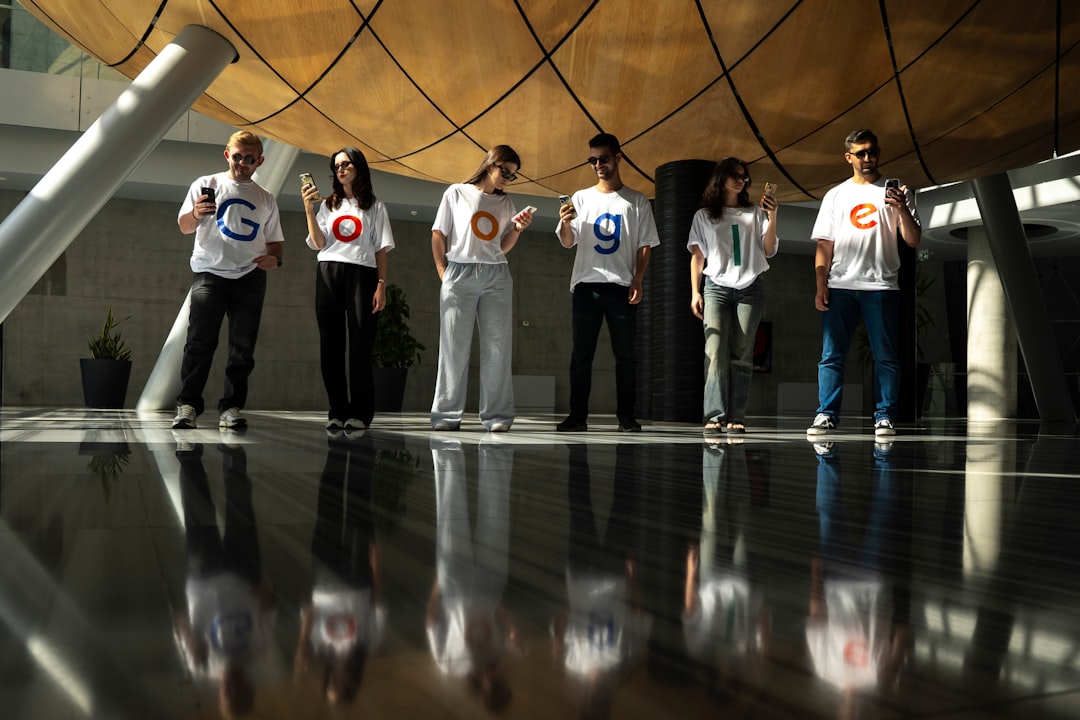
In the intricate ecosystem of digital marketing, the relationship between social media and search engine optimization is often misunderstood.While social signals are not a direct ranking factor, a strategically optimized social profile can yield a significant indirect SEO payoff by amplifying brand visibility, building authority, and generating valuable backlinks.

The creation of a linkable asset—be it an original research report, an interactive tool, a comprehensive guide, or a compelling piece of visual storytelling—is a cornerstone of modern content and SEO strategy.For years, the primary success metric has been unequivocal: the number of authoritative backlinks earned.
Get answers to your SEO questions.
