


When you build a startup site on a static generator or a plain HTML file, structured data often feels like the last thing you need.You are not running a WordPress monolith with a plugin ecosystem, so schema markup smells like overhead.
You know the drill. Your domain authority is flatlining, your content is solid, but Google refuses to acknowledge your existence in the SERPs for anything beyond long-tail oblivion. The problem isn’t content quality—it’s missing citation weight. Every brand mention that lacks a hyperlink is a silent vote of confidence that search engines never count. For bootstrapped marketing teams, the fastest path to authority isn’t building new links from scratch; it’s mining the massive, neglected trove of unlinked brand mentions your competitors have already accumulated and exploiting their citation profiles for your own gain.
Let’s talk about the data exhaust your competitors leave behind. When a high-authority site like Wikipedia, a trade publication, or an industry blog references a competitor’s product, statistic, or case study without linking, that citation is effectively dead weight. But here’s the hack: those same pages often contain opportunities for you to inject your own brand through strategic, low-friction outreach. The key is to reverse-engineer the citation patterns of your top three niche competitors using link intersection tools like Ahrefs’ Content Gap or Moz’s Link Intersect. Run a report scraping every referring domain that mentions your competitors by name but does not link to them. Filter for pages that have editorial relevance but editorial laziness—writers who dropped a brand name in passing without verifying the source. These are your low-hanging fruit.
Once you have your list, prioritize domains by domain rating and relevance. A mention on a DR 80 industry publication that forgot to link your competitor’s whitepaper is a goldmine. But don’t just email the editor asking for a link to your competitor’s page. That’s weak. Instead, build a citation replacement strategy. If the page references a statistic or a methodology, and you have better, more recent, or more authoritative data on the same topic, offer that as a replacement. Frame it not as “fix my competitor’s missing link” but as “your readers deserve the most current source, and here it is.“ This is classic digital PR swindle—you’re not begging for a link; you’re offering an editorial improvement.
The technical execution matters. Use a tool like BuzzSumo or Mention to monitor unlinked mentions of your own brand first. Those are your easiest converts. For competitor mentions, you need to automate the discovery. Set up Google Alerts for “competitor name” with the exclude operator for your competitor’s domain (e.g., `“Competitor Inc” -site:competitor.com`). This catches third-party mentions. Then run those results through a link checker. Any URL that contains the competitor name but lacks an anchor tag to their site is a target. You can script this with Python using requests and BeautifulSoup if you’re feeling spicy, or use a paid service like Mentionlytics for scale.
Now, the psychology of the ask. Journalists and bloggers hate being told they made an error. But they love being told they can improve their content without effort. Your outreach should be a single paragraph: “I noticed your excellent article on [topic] references [competitor]’s research. Their data is from 2022, but I’ve published an updated study with 2024 figures that shows [more surprising insight]. If you’d like to replace the citation with a fresher source, here’s the direct link.“ Notice you don’t mention the missing link on the competitor. You’re offering an upgrade. If they accept, you get a new citation. If they don’t, you’ve planted the seed that your competitor’s content is stale. Over time, repeated small wins compound.
Don’t stop at individual mentions. Look for patterns. If multiple high-authority sites all cite a competitor’s same blog post or dataset, that signal indicates a community preference for that specific resource. Build a better version of that resource—more granular data, interactive charts, or a public API—then target every site on that list with a uniform outreach campaign. This is citation arbitrage at scale: you identify the most cited resource in your niche, create a superior copy, and systematically replace each legacy citation.
Finally, track your conversion rate. Unlinked mention recovery typically yields a 10-20% success rate if your outreach is tailored. Use a spreadsheet with columns for domain, DR, current citation, outreach date, reply, and outcome. The beauty is that each successful conversion also builds relational capital. That journalist who swapped your data for your competitor’s will remember you for the next story. Over six months, a bootstrapped team with zero budget can accumulate 50-100 contextual links that Google treats as editorial endorsements, all without a single guest post or directory submission. The trick is not building authority—it’s borrowing it from where it’s been left unattended.

When you build a startup site on a static generator or a plain HTML file, structured data often feels like the last thing you need.You are not running a WordPress monolith with a plugin ecosystem, so schema markup smells like overhead.
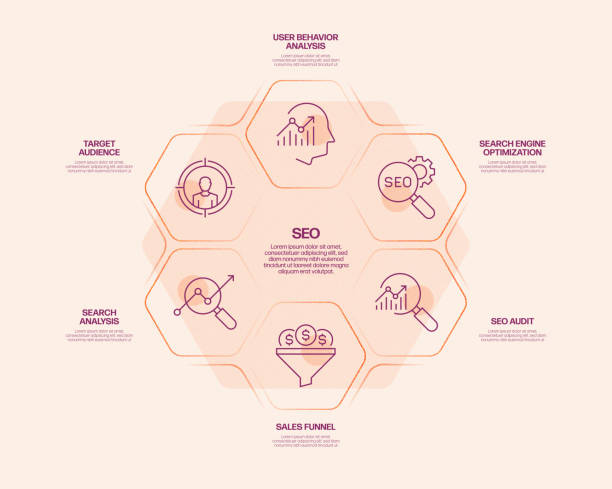
While social media profiles themselves rarely rank in traditional web search results for competitive terms, they are a critical component of the modern online ecosystem and demand specific technical SEO considerations.The intersection of social platforms and search engines is more nuanced than often assumed, with technical details on these profiles influencing visibility, branding, and even indirect search performance.

You know that frantic feeling when you’re staring at a competitor’s backlink profile and every domain pointing to their “Ultimate Industry Statistics” page is dripping with authority, while your content budget rounds to zero? The instinct is to build a piece of interactive wizardry with D3.js or a custom API scraper, but that requires developer cycles you don’t have.The secret weapon sitting in your Google Drive right now is the humble Google Sheet, and when wielded correctly, it can generate link velocity that rivals a mid-six-figure original research report. The play is data journalism on a shoestring.
Get answers to your SEO questions.
