


The pursuit of competitive advantage in search engine optimization often feels like a strategic game of chess.One of the most potent moves available is identifying the keywords for which your competitors already rank, but do so poorly.
The quest for authentic, engaging, and search-engine-friendly content is a perennial challenge for digital marketers. While crafted editorial and product pages form the backbone of a website, integrating user-generated content (UGC) has emerged as a powerful strategy to amplify SEO impact. UGC, when strategically harnessed on-site, provides a dynamic stream of relevance, credibility, and keyword-rich material that search engines reward. The most effective formats for achieving this are those that seamlessly blend user authenticity with structured data, directly answering searcher intent and fostering community engagement.
Foremost among these formats is the comprehensive product review and Q&A section. This is not merely a star rating but a detailed repository of customer experiences. From an SEO perspective, each review is a fresh piece of content that naturally incorporates long-tail keywords and semantic variations that a brand might not consider. A customer might write, “This rain jacket kept me dry during a downpour on a hiking trip,“ which directly targets specific, intent-driven searches. Furthermore, when structured data markup is applied, these reviews can generate rich snippets in search results—those coveted star ratings and review counts that dramatically improve click-through rates. The Q&A section functions similarly, directly capturing the precise language of potential customers and providing explicit answers that search engines can readily match to queries.
Another profoundly effective format is the user-submitted testimonial or case study hub. Moving beyond a simple review, these are often curated stories of success or transformation using a product or service. For SEO, this format is powerful because it naturally builds topical authority and creates pillar content. A collection of case studies from different industries or use-cases signals to search engines that a brand is a comprehensive solution. Each submission adds depth to the site’s content library, targeting niche keywords and providing genuine social proof that reduces bounce rates—a key user engagement metric. When these testimonials include user names, locations, or even video, they increase dwell time, further signaling content quality to search algorithms.
Community forums and knowledge bases powered by user contributions represent a high-investment, high-reward UGC format. These platforms become living, breathing ecosystems of content centered around a brand’s niche. Every question asked and every answer provided generates unique pages indexed by search engines, capturing an immense long-tail keyword footprint. A user solving a specific technical problem in a forum thread is creating a resource that will likely rank for that exact, problem-based query for years to come. This format positions the brand as a central authority hub, encouraging repeat visits and creating a vast internal linking structure, both of which are favorable SEO signals. The key to success here is robust moderation and categorization to maintain quality and crawlability.
Finally, integrating curated social media content via galleries or shoppable feeds brings a visual and contemporary dimension to on-site UGC. When users tag a brand in Instagram photos using a product, displaying that gallery on the relevant product page provides undeniable social proof and fresh, unique visual content. Search engines increasingly prioritize pages with authentic, original multimedia. This visual UGC not only enhances engagement but also contributes to a page’s uniqueness, helping it stand out from competitor pages that may only use manufacturer imagery. It demonstrates an active, satisfied community, which indirectly supports brand signals that search engines consider.
Ultimately, the most effective on-site UGC formats for SEO are those that transcend mere collection and achieve strategic integration. They must be structured to be crawled and indexed, rich with natural language that matches searcher intent, and capable of fostering meaningful user interaction that improves key behavioral metrics. Product reviews, detailed testimonials, community forums, and curated social galleries are not just marketing tools; they are engines for generating perpetual, authentic content. By providing the platform for this exchange, brands can harness the collective voice of their audience to build relevance, authority, and trust—the very pillars upon which strong organic search visibility is built.
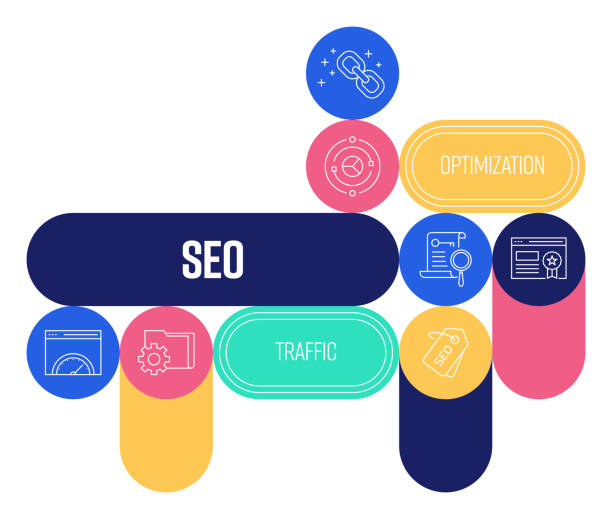
The pursuit of competitive advantage in search engine optimization often feels like a strategic game of chess.One of the most potent moves available is identifying the keywords for which your competitors already rank, but do so poorly.

In the dynamic landscape of modern business, understanding your competitors is not a luxury reserved for corporations with deep pockets; it is a fundamental necessity for survival and growth.The misconception that effective competitor analysis requires expensive software subscriptions can deter many entrepreneurs and small business owners.
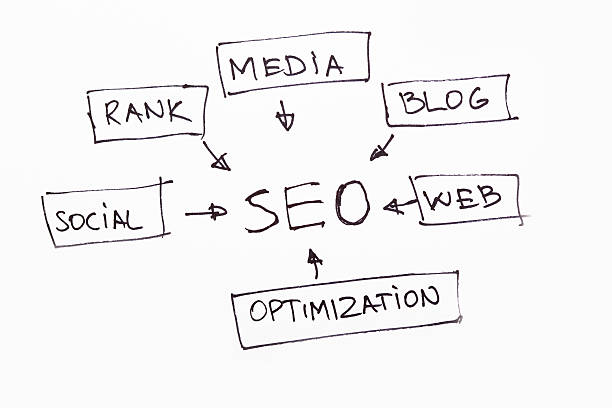
Guerrilla SEO, by its very nature, is a discipline of asymmetrical warfare.It is the practice of achieving significant search visibility without the budget, resources, or brand authority of entrenched competitors.
Get answers to your SEO questions.
