


Every seasoned SEO knows that the SERP is no longer a simple lexical battlefield.Google’s neural matching, BERT, and MUM have rendered exact-match keyword stuffing as obsolete as a fax machine in a Kubernetes cluster.
The ambition to connect with customers in specific neighborhoods, towns, or cities is a powerful driver for modern businesses. A common question arises: can you effectively create hyper-local pages without having a brick-and-mortar location in each target area? The answer is a resounding yes, but it requires a strategic, transparent, and value-driven approach that respects both search engine guidelines and user intent. While possessing a physical address simplifies the process, its absence is not an insurmountable barrier to hyper-local relevance.
The foundational principle of this endeavor is to establish a genuine, service-area based presence. This is most applicable to businesses that provide services at the customer’s location, such as mobile dog groomers, freelance IT consultants, or regional plumbers. In these cases, you can and should create a Google Business Profile listing for each primary service area, selecting the “Service Area” option rather than listing a physical location customers can visit. This creates a legitimate anchor in Google’s local ecosystem for each region. Each profile should be meticulously completed with consistent NAP (Name, Address, Phone) data, using your central business address or a virtual office that meets Google’s guidelines, and clearly defining the specific towns or zip codes you serve.
Building upon this, dedicated location-specific pages on your website become the cornerstone of your content strategy. These are not thin, duplicate pages stuffed with keywords. Instead, each page must be a robust, unique resource tailored to the community it aims to serve. Generic content will fail; authenticity is paramount. This involves conducting thorough research into each area. Write about local events you sponsor or participate in, mention partnerships with other local businesses, address neighborhood-specific concerns or needs, and showcase client testimonials from that particular town. For instance, a roofing company could create a page for “Springfield” that discusses common local weather-related roof issues, highlights a recent project on a historic Springfield home, and references a community festival they supported. This demonstrates a tangible connection to the area that goes beyond mere geography.
Furthermore, your hyper-local strategy must extend into the digital fabric of each community. Earning backlinks from locally-relevant websites, such as area chambers of commerce, local news blogs, or community event calendars, significantly boosts the credibility of your location pages. Engaging on local social media groups or forums—by offering helpful advice, not just advertising—builds brand recognition and trust. Listing your business in local online directories specific to each area further solidifies your presence. These signals collectively tell search engines that your business is a legitimate and engaged entity within that community, compensating for the lack of a physical storefront.
However, this approach carries an ethical and practical imperative: transparency. You must never mislead customers into believing you have a physical office or shop in an area where you do not. Clearly state your service area parameters and your operational model. The goal is to be the most relevant and helpful solution for a local need, not to fabricate a false impression. User experience is critical; if someone in a distant town finds your page but realizes you cannot serve them, it damages trust. Setting clear expectations from the outset protects your brand’s reputation.
In conclusion, creating effective hyper-local pages without a physical location in each area is not only possible but a viable strategy for many service-based and digitally-native businesses. Success hinges on legitimizing your presence through verified service-area profiles, creating deeply localized and valuable content on your website, and actively embedding your brand within the online community of each target locale. By focusing on genuine relevance, transparent communication, and providing exceptional value to each micro-community, you can build meaningful local connections and authority, turning a digital presence into a powerful local magnet for customers.

Every seasoned SEO knows that the SERP is no longer a simple lexical battlefield.Google’s neural matching, BERT, and MUM have rendered exact-match keyword stuffing as obsolete as a fax machine in a Kubernetes cluster.
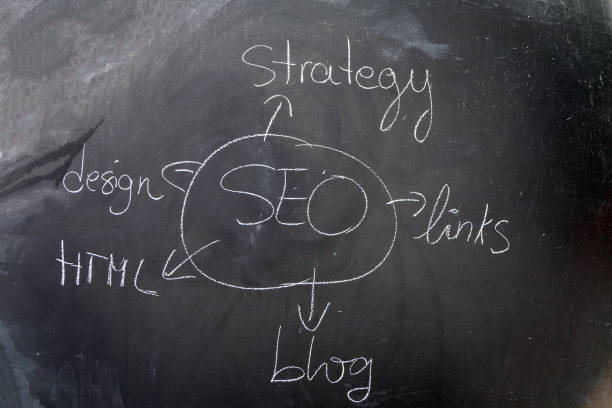
The true power of a guest post lies in its dual purpose: to captivate a human reader while whispering the right signals to search engines.Achieving this synergy requires a structure that is both meticulously planned and fluidly engaging, moving beyond mere keyword insertion to create a journey that delivers genuine value.

The pathological obsession with rank position is a tell of amateur hour.Any seasoned technical marketer knows that Google Search Console (GSC) provides far richer signals than the vanity metric of average position.
Get answers to your SEO questions.
