


The mainstream social feed is a noisy, algorithmically curated graveyard of brand-sponsored drivel and viral cat videos.For the savvy web marketer, chasing likes and shares on Twitter or Instagram as a direct ranking signal is a fool’s errand.
For the solo operator running a lean SEO operation, the bottleneck rarely lies in ideation—it lands squarely on distribution. You craft a meticulously researched pillar post, optimize on-page semantics, and then face the grind of chopping that content into thirty different social formats across five platforms. The sane approach isn’t to hire a virtual assistant; it’s to build a deterministic, event-driven pipeline that transforms a single publish event into a cascading wave of social signals without you ever touching a scheduling dashboard.
The foundational lever here is the forgotten but potent RSS feed. Most modern content management systems still emit a perfectly good Atom or RSS 2.0 feed. Instead of using it for vanity newsletter subscriptions, treat that feed as a canonical event stream. Every new post that lands in the feed is a trigger. You pipe that feed into a serverless function—a Cloudflare Worker, an AWS Lambda, or even a local Node script running on a cheap VPS—that parses the title, excerpt, and canonical URL. That function then becomes a dispatcher, sending structured payloads to each social platform’s API endpoint.
The nuance comes in formatting. Twitter (X) needs a punchy 280-character hook with a link shortener and a trailing thread indicator if the excerpt is long. LinkedIn requires a longer-form description with an explicit call to action and a curiosity gap. Mastodon and Bluesky behave like Twitter but benefit from alt-text on any attached image—an image you can generate server-side using a headless browser snapshot of the page’s hero image. Rather than writing a unique wrapper for every platform, normalize your payload. Define a universal “social post” object with fields for short text, long text, image URL, link, and tags. Each destination function maps that object into the platform’s specific schema. This keeps your pipeline maintainable when a new social network (or a fork of an existing one) emerges: you write one new mapper, not a whole new feed parser.
But raw duplication kills engagement. A single feed that dumps the same headline into five channels creates noise. The smarter solo marketer embeds a repurposing step in the pipeline. Use a lightweight NLP library—or an inexpensive LLM call—to generate three distinct angle variants from the post’s content. One variant highlights a data point, another leads with a counterintuitive take, and a third frames the content as a solution to a common pain point. The pipeline randomly rotates these variants across platforms, ensuring identical source material never produces identical posts. You can even A/B test variant performance by tracking link clicks via UTM parameters appended in the mapper function.
The real scalability win, however, is the webhook layer. Most SaaS tools (Buffer, Hootsuite, Later) offer webhook inputs, but they are slow and API-gated. Instead, bypass the middleman entirely. Use direct API calls with OAuth 2.0 tokens stored in an encrypted environment variable. The pipeline runs on a cron schedule but probes the RSS feed for new entries since last run. That is the only manual touchpoint: setting the cron interval. For a daily publishing cadence, a once-per-hour cron check is sufficient. If you post multiple times per day, you might need to increase the interval or use an RSS-to-PubSub hub like Superfeedr to push events in real time.
Resilience matters. The solo marketer cannot babysit a pipeline. Implement idempotency keys: each social post has a unique hash derived from the source URL plus the variant text. If the pipeline runs twice for the same post, the platform sees a duplicate hash and rejects the write. Log the response codes to a central journal—a simple Google Sheet via the Sheets API or a small MongoDB collection. When a platform changes its API endpoint (and it will, without notice), the log will show a consistent 401 or 403. A weekly threshold check can ping you on Telegram or Signal, freeing you from constant monitoring.
The most undervalued optimization is timing. Do not post to all platforms at once; stagger them. The pipeline can enqueue posts with a delay parameter. LinkedIn performs best during midweek mornings, Twitter/X benefits from early afternoon windows, and Reddit (if you syndicate to subreddits) demands careful timezone alignment. Use a config JSON that maps platform to preferred UTC window. The pipeline holds the post until the window opens, then releases it. This turns your single publish event into a multi-day organic signal wave, each link carrying distinct UTM campaign parameters for isolated performance analysis.
Finally, close the loop with analytics. When the pipeline dispatches a post, it should also inject a pixel or a server-side event to your analytics backend. Track not just clicks but social referral engagement time. If a particular platform’s traffic bounces immediately, you can instruct the pipeline to stop posting to that platform for that content type—or shift to a different angle variant. This feedback loop transforms automation from blind broadcast into adaptive distribution.
The code for this entire pipeline can fit in under 500 lines of TypeScript. Deploy it for free on serverless runtimes with generous free tiers. Pair it with a headless CMS that emits RSS, and you have a zero-touch content distribution engine that scales from one post a week to twenty without changing a single line of logic. The solo marketer who builds this owns the distribution layer—not as a task, but as a system.
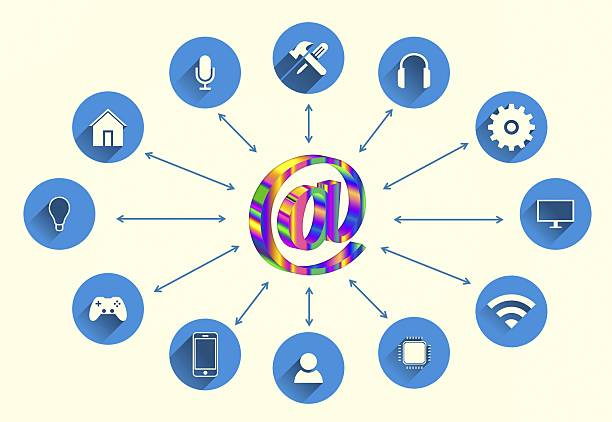
The mainstream social feed is a noisy, algorithmically curated graveyard of brand-sponsored drivel and viral cat videos.For the savvy web marketer, chasing likes and shares on Twitter or Instagram as a direct ranking signal is a fool’s errand.

If you’ve migrated from Universal Analytics and are still clinging to pageview-centric thinking, it’s time to rewire your mental model.Google Analytics 4 is an event-first platform, and treating every interaction as a discrete data point unlocks the depth of analysis that savvy SEOs and startup marketers need.
The average SEO analyst scrolls past Google Search Console’s “Performance” overview, fixating on clicks and average position.That’s table stakes.
Get answers to your SEO questions.
