


The gap between how your audience actually speaks and what your keyword tool autosuggests is where the real arbitrage lives.Standard SEO platforms scrape Google Suggest, search console queries, and rank-tracker data.
In the dynamic landscape of search engine optimization, stagnation equates to regression. For SEO professionals and digital marketers, understanding the ever-shifting terrain of search engine results pages (SERPs) and the maneuvers of competitors is not merely advantageous—it is fundamental to survival and success. A savvy approach to this monitoring transcends sporadic manual checks, evolving into a structured, insightful, and proactive strategy that leverages technology to inform human decision-making.
The cornerstone of any sophisticated monitoring regimen is the deployment of dedicated rank tracking software. These platforms move beyond simply logging keyword positions, offering a holistic view of performance across vast keyword portfolios, locations, and device types. The true savvy lies not in the tool itself, but in its configuration and interpretation. This involves segmenting keywords by intent, priority, and business value, allowing for nuanced analysis. Tracking branded versus non-branded terms, for instance, reveals different stories about market awareness and competitive pressure. Furthermore, integrating local SEO tracking for brick-and-mortar businesses provides a geographical dimension to SERP movements that national averages would obscure. The key is to schedule regular reviews of this data, looking for trends—gradual declines, sudden spikes, or seasonal patterns—rather than reacting to daily fluctuations that are inherent to search algorithms.
However, rank tracking alone provides a one-dimensional view. A truly strategic approach integrates competitive intelligence tools to contextualize these movements. By profiling key competitors, one can reverse-engineer their strategies. This involves monitoring their visible SEO activities: tracking the keywords they are targeting, analyzing their backlink profile growth through fresh link acquisition alerts, and dissecting their content strategy. When a competitor’s domain authority climbs or they secure a pivotal backlink from a prestigious industry site, it often precedes upward SERP movements for their targeted terms. Similarly, observing a competitor launch a new blog series or comprehensive guide can signal a strategic pivot aimed at capturing specific search intent, providing an early warning to adjust one’s own content roadmap.
Beyond the technical and off-page factors, savvy monitoring requires a deep dive into the SERP features themselves. Google’s ecosystem is not static; it is populated with evolving elements like Featured Snippets, People Also Ask boxes, local packs, and video carousels. A strategic analyst monitors not just position, but presence within these features. Losing the top organic spot is significant, but losing a Featured Snippet to a competitor can be catastrophic for click-through rate. Tools that visualize SERP feature ownership over time are invaluable here. This analysis informs tactical shifts, such as restructuring content to directly answer questions for PAA boxes or optimizing video metadata to compete in carousel results. Understanding why a page is moving often lies in understanding the changing nature of the SERP layout for a given query.
Ultimately, the most sophisticated tool is the informed marketer who synthesizes this data into actionable strategy. This means establishing a regular cadence for reporting and analysis, separating signal from noise. It involves correlating SERP movements with marketing campaigns, website changes, or broader industry news. For example, a drop in rankings following a site migration points to technical issues, while a competitor’s rise coinciding with a major product launch reveals their strategic focus. The savvy way is to create a feedback loop where monitoring directly fuels hypothesis generation, testing, and iteration. In essence, monitoring is not a passive act of observation but an active component of SEO strategy. By combining automated tools with analytical acumen, professionals can anticipate shifts, decode competitor playbooks, and make informed, agile decisions that secure sustainable visibility in the crowded digital marketplace.
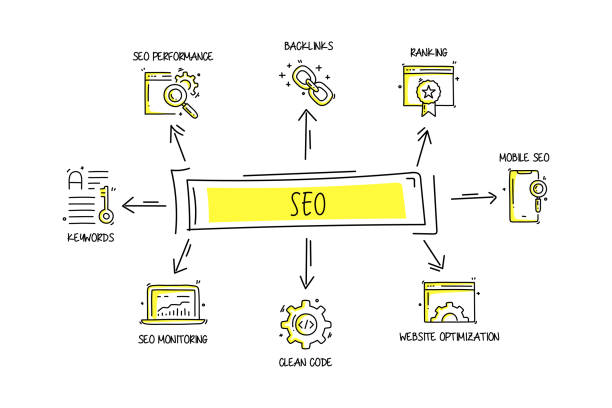
The gap between how your audience actually speaks and what your keyword tool autosuggests is where the real arbitrage lives.Standard SEO platforms scrape Google Suggest, search console queries, and rank-tracker data.

In the saturated landscape of modern advertising, where audiences are adept at tuning out traditional banners and radio spots, event promoters face a constant challenge: cutting through the noise.One common and profoundly effective guerrilla tactic that has emerged is the strategic creation of unexpected, immersive public experiences.

In an increasingly digital and globalized world, a powerful paradox has emerged: the most effective way to connect with a broad online audience is often to focus with immense specificity on a very small, physical one.This is the realm of hyper-local content, a strategic approach that zeroes in on a defined neighborhood, town, or city to build profound relevance and trust.
Get answers to your SEO questions.
